

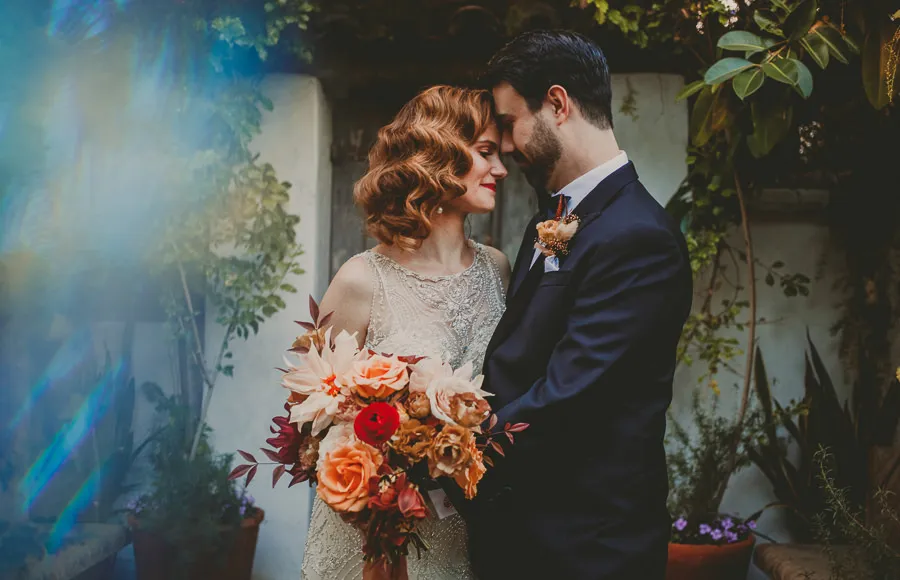
Wedding flowers do more than decorate tables or frame a ceremony. Their scale, color, texture, and placement can influence how a wedding feels in photographs from morning preparations through the reception. A bouquet may become part of nearly every portrait, while ceremony florals can define the visual space around vows and family reactions. Couples do not need to choose flowers purely for the camera, but understanding how floral decisions translate visually can help create a celebration that feels cohesive without becoming overstyled.
Choose a Palette That Works Across the Day
A color palette is easiest to photograph when it connects naturally with the venue, clothing, and season rather than competing with all three. Soft neutrals can create a quieter look, while saturated flowers may become a strong visual focal point.
Couples planning Asheville Wedding Photography should think about where those colors will appear repeatedly. Bouquets, boutonnieres, ceremony arrangements, and reception flowers may all show up in the same gallery. Consistency helps the images feel connected as locations and lighting change.
Think About Bouquet Scale
A bouquet should complement the person carrying it rather than overwhelm clothing, movement, or body language. Very large arrangements can look dramatic, but they may hide important details or make relaxed walking portraits more difficult.
Smaller bouquets can feel lighter and easier to manage, while asymmetrical designs often create natural movement. Couples can test how the bouquet feels in one hand and whether it remains comfortable to carry. Practicality matters because the bouquet will appear in many different situations.
Use Ceremony Florals to Frame, Not Block
Ceremony flowers can help define the space around the couple, especially outdoors where the landscape may be visually broad. Arches, ground arrangements, or floral columns can provide structure without dominating the setting.
Placement is important. Tall arrangements should not block the couple from guests or limit useful photography angles. Flowers placed too close to the aisle can also reduce walking space. A balanced design leaves enough space around the couple so expressions and gestures remain the visual focus.
Let the Venue Guide the Design
Mountain and garden venues already provide texture, greenery, and seasonal color, so floral design does not always need to compete with the surroundings. Sometimes repeating tones already present in the landscape creates a more integrated look.
A Weaverville Wedding Photographer may work across open lawns, wooded areas, porches, and indoor reception spaces during the same event. Florals that transition well between those environments can help the gallery feel cohesive. The aim is not perfect matching, but visual harmony across different parts of the property.
Remember Reception Sightlines
Centerpieces influence more than table styling. Arrangements that are too tall or dense can make conversation difficult and may hide guests during speeches, reactions, or candid dinner photographs.
Low arrangements, elevated designs with open space beneath them, or a mixture of heights can create variety without building visual walls across the room. Couples should sit at a sample table if possible and look across it from normal seated height. If faces disappear behind flowers, the design may need adjustment.
Plan for Flowers to Change During the Day
Fresh flowers are affected by heat, wind, handling, and time. A bouquet that looks perfect early in the morning may loosen or wilt after several hours outdoors. This is normal, especially during warm-weather mountain weddings.
Couples can ask the florist how arrangements should be stored before use and whether certain flowers are more sensitive to temperature. Keeping bouquets in water whenever practical can help. A slightly imperfect arrangement later in the evening can simply reflect the real progression of the day.
Reuse Florals With a Clear Plan
Moving ceremony arrangements into the reception can be an efficient way to extend floral design, but the transfer needs to be planned. Someone should know which pieces are moving, where they are going, and when the change will happen.
Large arrangements may require staff or florist assistance rather than asking family members to carry them. When repurposing is organized in advance, flowers can create continuity between spaces without causing delays while guests are arriving.
Conclusion
Wedding flowers can influence the visual character of a gallery without becoming the center of every photograph. A thoughtful palette, comfortable bouquet scale, open ceremony design, guest-friendly centerpieces, and realistic plans for weather and movement all help florals support the day rather than complicate it. The strongest choices usually balance personal taste with the setting and the people using the space. When flowers complement the celebration instead of competing with it, they add color, texture, and continuity while leaving relationships and emotions at the heart of the photographs.