

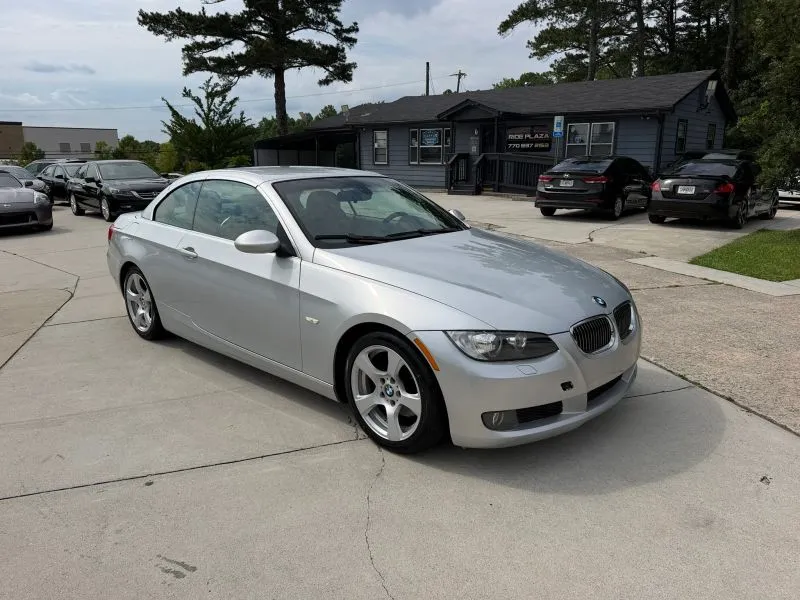
A first car can be exciting enough to make practical questions feel boring. New drivers may be thinking about color, phone connectivity, or how the car looks in photos, while parents may be focused on reliability, insurance, and the amount of money that will be needed after purchase.
The best first-car search usually sits somewhere in the middle. The vehicle should feel good enough that the driver wants to take care of it, but it also needs to fit a realistic budget and the kind of driving that will happen every week.
Start With the Daily Route
Before searching used cars near me, write down what the car will actually do. A short trip to school or work is different from a forty-mile highway commute, and that difference can change what matters most in fuel economy, comfort, and mileage.
Parking matters too. A compact sedan or hatchback can be easier for a new driver to place in tight spaces than a larger SUV, while a taller vehicle may offer visibility that some drivers prefer. The test drive should settle that question.
Check Insurance Before Choosing Your Favorite
Insurance can change the budget more than expected, especially for a younger driver. Two vehicles with similar purchase prices may cost very different amounts to insure because of model, engine, repair costs, or driver profile.
Ask for quotes on the exact vehicles being considered. This takes little time and can prevent the awkward situation of finding the perfect car only to discover that the monthly insurance cost makes it impractical.
Do Not Chase the Lowest Mileage Automatically
Low mileage is useful information, but it is not the same as good condition. Maintenance, age, tire condition, service records, and the way a vehicle was stored can matter just as much.
A higher-mileage car with a clear maintenance history may be a better first vehicle than one with fewer miles and signs of neglect. Look at the whole car rather than letting the odometer make the decision.
Keep the First-Car Budget Modest
When browsing used cars for sale, leave money available after the purchase. Registration, fuel, insurance, routine service, and small repairs can arrive quickly, and a new driver may not yet have much room in the monthly budget.
Choosing a slightly less expensive car can create a useful cushion. That reserve makes ownership less stressful and gives the driver a chance to learn what real maintenance costs feel like without every expense becoming an emergency.
Use the Test Drive as a Learning Exercise
Let the future driver operate the windows, mirrors, climate controls, and parking brake before setting off. Then try normal roads, a few turns, braking, and parking. Comfort with the controls matters because the car will be used without an experienced passenger most of the time.
Listen for strange noises and watch for warning lights, but also pay attention to visibility and seating position. A car that feels difficult to judge around the corners may not be the best choice for someone still building confidence.
Ask About the Vehicle History
Review any available history information and ask how the title is described. If the car has a rebuilt title or a significant prior event, understand what that means before deciding whether the price and condition still make sense.
Do not treat a history report as a substitute for looking at the car. It is one source of context, not a complete inspection of everything that may have happened over the years.
Plan the First Maintenance Before Driving Away
Find out when the oil was last changed, check tire condition, and ask about any service that may be due soon. Even if nothing urgent is needed, putting the next oil change or tire rotation on a calendar starts ownership with a good habit.
A first car is also a first lesson in responsibility. Keeping basic records and handling small maintenance on time can matter more over the years than buying the fanciest vehicle within reach.
Conclusion
A good first used car does not need to be impressive on paper. It needs to suit the driver’s route, insurance budget, comfort level, and ability to cover the normal costs that follow the purchase.
Families and first-time buyers can review pre-owned inventory and financing information at rideplaza.com. Stick to the basics and it will be easier to select a vehicle that will allow independent living without making the finances too tight.