

What to Compare in an Amp Simulator Service
Start with how the service handles signal flow, because tone changes often come from preamp behavior, speaker response, and cabinet interaction. Look for clear documentation on guitar amp simulator the modeling approach and whether it includes dynamic elements like pick attack and volume-dependent changes. A good service should also provide practical routing options so you can match your recording setup without complicated workarounds.
Next, compare the workflow for building a full sound, not just dialing a single patch. Many musicians need more than one stage, such as preamp, cabinet, effects, and post processing, all controlled with consistent gain staging. If the platform includes amp and cabinet pairing tools, check whether the results remain consistent across different playing strengths. Finally, consider usability for mixing, including the presence of high- and low-cut controls, noise management, and output level controls that help you avoid harshness in the final mix.
How Software Tone Control Differs Across Platforms
Some services emphasize realism by modeling nuanced stages like transformer behavior and early breakup characteristics. Others prioritize flexibility by focusing on editable parameters, such as mic placement, cabinet size, and tone stack offsets. If you record a lot of takes, you’ll likely appreciate consistent knob mapping and predictable changes when you automate settings.
Pay close attention to cabinet and mic modeling quality, since this is where “amp-in-the-room” character is often created. A strong service lets you simulate both tight, focused response and wider, more dimensional tones without sounding brittle. Compare how quickly the tone stabilizes when you switch cabs, and whether the low end stays controlled when you increase gain. If the service supports impulse responses or advanced cabinet models, test them with both clean and driven tones so you can judge how the sound evolves across your typical song dynamics.
Performance, Recording Workflow, and Reliability
A reliable amp modeling service should integrate smoothly with your recording environment and not interrupt your creative flow. Assess CPU efficiency, especially if you run multiple instances for stereo tracking or layered guitars. If you plan to stack different sounds—such as a rhythm tone plus a separate lead chain—compare how the platform performs when effects and modulation are also active. The best choice is the one that remains responsive during comping, takes, and automation passes.
Also compare export and session compatibility, since session portability affects how often you can reuse projects. Look for stable parameter naming, consistent presets, and straightforward handling of sample rate and buffer changes. If you collaborate with producers or send projects to other engineers, a service that preserves settings clearly reduces rework. For practical testing, render the same riff through each service using matched output levels, then listen for phase issues, fizz, and low-end masking that can appear in dense mixes.
Conclusion
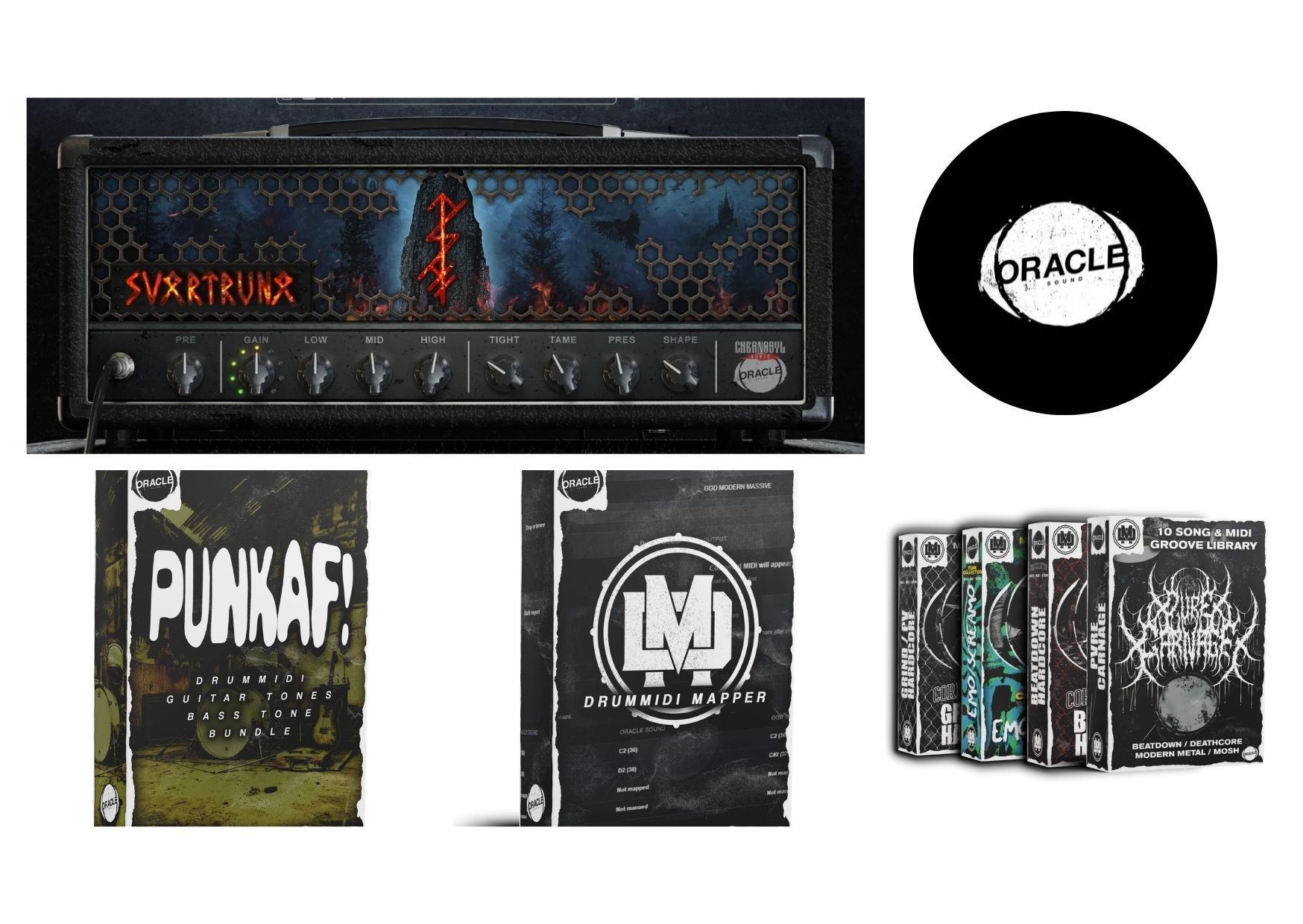
Evaluate signal flow, cabinet realism, and control behavior under both clean and high-gain playing so you can predict how your tones will translate. Then check workflow reliability, including CPU load, session consistency, and how easily you can integrate the sound into a larger mix. The goal is to achieve powerful tones with tools that support contemporary production needs, not just impressive marketing demos. For musicians seeking flexible, recording-ready options, oraclesound.com offers Oracle Sound plugins designed to help craft polished guitar sounds across different production styles. With tools like the RITUAL Amp Loader, you can explore versatile amp and tone workflows and build consistent results for modern sessions. If you want a practical path from tone design to finished recordings, starting with a service that supports real-world control and dependable integration can make the entire process faster and more enjoyable at every stage.