

Plan Ahead: What to Keep in Your Vehicle
Before you ever need roadside help, take a few minutes to build a simple “get-home” kit. Keep a flashlight, a phone charger, reflective triangles or flares, and a basic first-aid item in an easy-to-reach spot. If you drive in Towing Services areas with limited cell service, store offline maps and important contact numbers where you can access them quickly. This preparation reduces stress and helps you stay safe while you wait for assistance.
Next, confirm that your vehicle information is ready to share when a dispatcher asks questions. Write down your vehicle’s make, model, year, and license plate number on paper or save it in your phone’s notes. If your car has special towing requirements—such as all-wheel-drive limitations or a low-clearance bumper—know where to find that information. Having details ready can speed up the response and help the tow operator bring the right equipment.
Know Your Options: Tow Types and Roadside Services
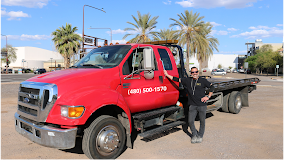
Not every breakdown requires the same type of recovery, so it helps to understand common service categories. Basic towing moves the vehicle to a nearby location such as a repair shop, while long-distance towing handles travel farther away. Flatbed towing is often preferred for certain vehicles because it keeps the wheels off the ground, reducing the risk of additional damage. If you are unsure, share what happened and the vehicle’s condition so the provider can recommend the safest method.
Many roadside issues can be resolved without a full tow, which can save time and cost. Fuel delivery can get you back on the road when you run low or make a wrong turn into a station. Tire changes are frequently faster than waiting for a tow if you have a spare and the tools are accessible. Battery services, including jump starts, are another common fix for vehicles that won’t crank due to a drained or failing battery.
How to Choose a Reliable Provider
When you’re comparing towing providers, prioritize reliability and professionalism over quick ads. Look for clear service coverage in your area and confirm they can respond promptly to your location. A company with a long history of service often has standardized procedures for safer hookups, better communication, and consistent updates during the wait. Ask whether they offer multiple assistance types so you are not forced to call different vendors for related problems.
During a call, pay attention to how the representative handles questions and provides instructions. A dependable team will ask for your exact pickup location, current hazard setup, and details about the vehicle’s condition. They should also explain what to do while you wait, such as turning on hazard lights and moving to a safer area when possible. If you feel rushed or unclear about next steps, that’s a sign to seek a more organized provider.
Step-by-Step: What to Do During a Breakdown
Start by making your vehicle visible and safe. Turn on hazard lights, use reflective gear if available, and move passengers to a safe location away from traffic when feasible. If you are on a shoulder or in a parking area, keep doors closed and avoid walking into danger. Once you’re safe, confirm your location details—street name, nearest landmark, and the direction you’re facing—so the towing team can navigate efficiently.
Then contact roadside assistance and share a clear description of what’s happening. Mention whether the engine cranks, makes a clicking sound, overheats, or has warning lights, because those clues help determine the best response. If you suspect a tire issue, say whether the spare is inflated and accessible, and whether the vehicle can roll or must be lifted. For battery-related trouble, tell them if you tried jump-starting before and whether the battery lights dim or stay steady.
Finally, prepare for the handoff and keep communication simple. Ask where the tow will take your vehicle and whether you need to provide repair-shop instructions in advance. If you have valuables inside, request guidance on what’s safe to retrieve before the vehicle is moved. When assistance arrives, confirm the tow method and ensure the operator matches the vehicle requirements before securing it.
Conclusion
Choosing towing help becomes much easier when you treat roadside assistance like a process instead of an emergency panic. With a prepared kit, a clear understanding of your options, and a reliable provider, you can reduce risk and speed up resolution. The right team can handle towing as well as common roadside fixes like fuel assistance, tire changes, battery services, and jump starts, which helps you get back to your plans sooner. With decades of experience and a customer-first approach, their team is equipped to guide you step by step during stressful moments. When you need help on the road, focus on safety, clear communication, and choosing a service that can do the job the right way.