

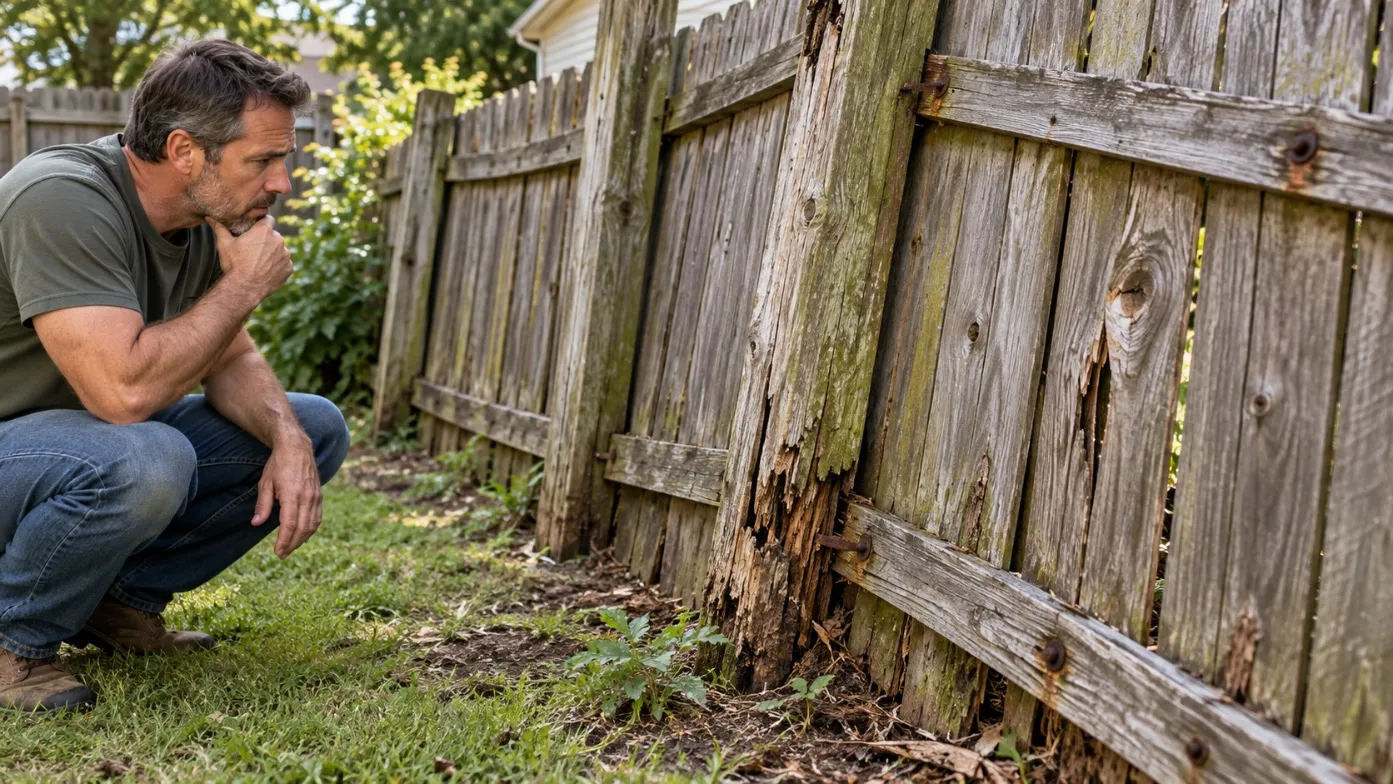
A fence is one of the few structures people see every day and almost never inspect. It leans a little after a storm, a gate drags more each month, and eventually an entire run tilts toward the neighbor. Most people comparing a Fence Builder Covington GA arrive at that point after months of ignoring the signs.
Learning to read those signs saves money. A fence needing two new posts is a modest job, while one left to fail for years may have to come out altogether. The difference usually comes down to who noticed first.
Start at the Ground
Posts rot where the soil meets the wood. Red clay holds water long after rain stops, so the bottom few inches of a post stay damp far longer than the upper part ever does.
Push each post firmly at chest height. Movement at the base suggests decay or a loosened footing. Hardware problems are simpler to deal with, and a Handyman Covington GA can often tighten loose brackets and screws without any rebuilding.
Rails Show Where the Load Sits
Horizontal rails carry the weight of every picket and take the pull of every gust. Look for splits near the fasteners, nails backing out, and sections that bow between posts.
A sagging rail usually has a cause. Sometimes a post has shifted; sometimes the rail was undersized from the start. Fixing the symptom alone invites the same sag next year, usually in the same spot and at a worse moment.
Pickets Tell a Story
Cupped, grey, or splitting pickets reveal how the fence has dealt with sun and moisture. A few damaged boards are routine and easy to swap out individually.
Widespread softness is different. If a screwdriver tip sinks into many pickets with little pressure, patching will only buy a short reprieve, and replacing the whole run may be the more practical path.
Gates Fail First
A gate moves hundreds of times a year, so it exposes weakness before the fixed sections do. Dragging corners, sticky latches, and rattling hinges all point to shifting posts.
Check the hinge post before adjusting hardware. If that post leans, new hinges will simply loosen again. Squaring the post comes before anything else, since every other adjustment depends on it holding still.
Weather Does the Slow Damage
Sun dries and cracks boards on the south and west faces, while shaded stretches stay green and damp. Lawn sprinklers aimed at a fence quietly soak the same pickets several times a week.
Redirecting a sprinkler head costs nothing and can add years to a fence. Trimming shrubs back from the boards lets air move and sunlight reach the wood.
Talk Before You Build or Replace
A fence often sits close to a property line, and assumptions about that line cause friction. Find the survey or plat, and walk the boundary with the neighbor if one is nearby.
Check local rules on height and setbacks, along with any neighborhood covenants, before ordering a single board or panel. A short conversation costs nothing and avoids an expensive reversal.
Repair, Stain, or Replace
A rough rule of thumb helps. When most posts are firm, and damage is scattered, repair and a fresh coat of protection make sense. When many posts move, and rails are failing, replacement is the more honest choice.
Ask for both options priced side by side. Request a short note on why each option is recommended, not only the total. Seeing the difference in numbers turns a vague worry into a plain decision.
Pick Your Moment
Dry weather makes post work easier, because holes stay open and concrete cures predictably. Late spring and early autumn tend to suit this kind of project in Georgia.
Don’t wait until a leaning section lands on a gate or flower bed. Acting while the fence still stands keeps the job smaller and the schedule flexible. A repair planned in calm weather also leaves time to compare quotes and choose materials without pressure.
Conclusion
A fence rarely fails without warning. Posts, rails, pickets, and gates each give hints well ahead of the final collapse, and a calm inspection turns those hints into cheaper repairs.
For homeowners who want an outside opinion on a leaning line or a dragging gate, abclabors.com is a sensible place to begin.